

What Is Cold Laser Therapy? Benefits, Uses, How It Works & Safety
Learn what cold laser therapy is, how photobiomodulation works, its potential benefits, common uses, safety considerations, and how it may support pain relief and recovery.
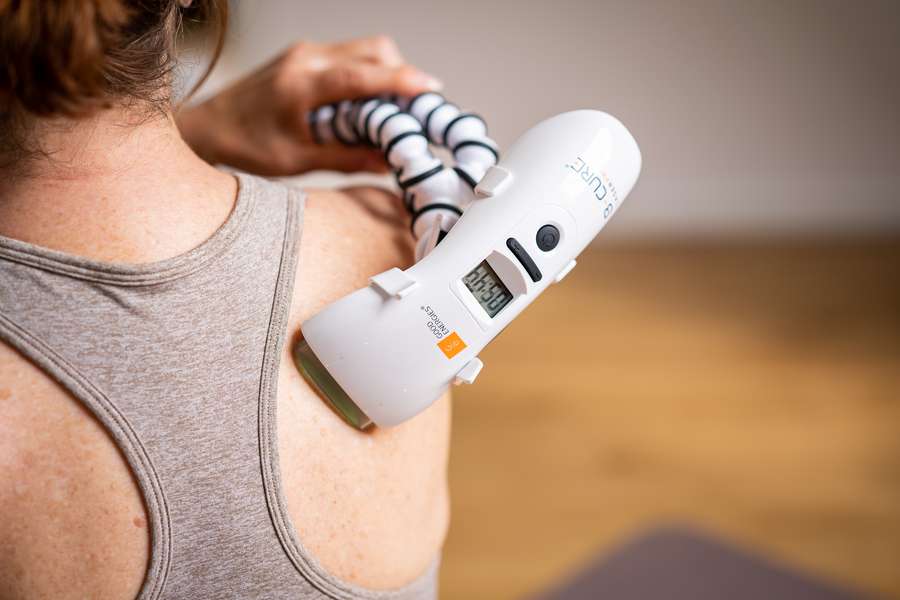
What Is Cold Laser Therapy?
Cold laser therapy is a non-invasive treatment that uses low-intensity light to support the body’s natural recovery processes. It is often called low-level laser therapy, LLLT, soft laser therapy, or photobiomodulation therapy.
Unlike surgical lasers that are designed to cut, remove, or heat tissue, cold laser therapy uses carefully selected light energy without intentionally causing thermal damage. The treatment is generally designed to work at the cellular level.
Depending on the device and treatment protocol, cold laser therapy may be used to support pain management, reduce the impact of inflammation, promote tissue recovery, and assist rehabilitation programs.
How Does Cold Laser Therapy Work?
Cold laser therapy works through a process commonly known as photobiomodulation. During treatment, specific wavelengths of light are delivered to the targeted area of the body.
Light energy may interact with components inside cells, including structures involved in energy production. This interaction is studied for its possible role in supporting cellular activity, circulation, inflammation response, and tissue repair processes.
The exact response depends on several factors, including the wavelength, power, treatment time, distance from the skin, treatment area, and individual health condition.
What Happens at the Cellular Level?
- Specific light wavelengths are applied to the target area.
- Light energy may be absorbed by cellular components.
- Cellular energy and signaling processes may be influenced.
- The body’s natural recovery and repair mechanisms may be supported.
- The treatment is generally non-invasive and does not require incisions.
This is why cold laser therapy is also described as a light-based supportive treatment rather than a conventional heat-based therapy.
Potential Benefits of Cold Laser Therapy
Research into photobiomodulation and low-level laser therapy has explored several possible benefits. Results can vary depending on the condition, treatment parameters, device quality, and individual response.
These potential benefits should not be understood as guaranteed results. A qualified healthcare professional can help determine whether the treatment is appropriate for a particular condition.
Common Uses and Conditions
Cold laser therapy is commonly discussed in the context of pain relief, sports recovery, physiotherapy, rehabilitation, and soft-tissue care. The evidence and recommended protocols may differ for each condition.
Conditions Where It May Be Explored
- Muscle soreness and overuse discomfort
- Joint pain and stiffness
- Knee discomfort
- Neck and shoulder pain
- Back pain
- Tendon and ligament-related discomfort
- Sports-related soft-tissue injuries
- Arthritis-related pain management
- Recovery after physical activity
- Selected rehabilitation applications
Not every condition responds in the same way. Treatment should be selected according to the underlying cause of symptoms and should not delay proper medical evaluation when symptoms are severe, persistent, or worsening.
To learn more about pain-relief and recovery solutions, visit the B-Sure Pain Relief & Recovery page .
Cold Laser Therapy vs Other Treatments
Cold laser therapy is different from several other commonly used treatment approaches. The main difference is the type of energy or method used.
| Treatment Type | How It Works | Common Characteristics |
|---|---|---|
| Cold Laser Therapy | Uses low-intensity light to influence cellular processes. | Non-invasive and generally non-thermal when used correctly. |
| Heat Therapy | Uses heat to warm tissues and improve comfort or flexibility. | Thermal treatment with a warming sensation. |
| Ultrasound Therapy | Uses sound waves to deliver energy into tissues. | Commonly used in physiotherapy settings. |
| TENS | Uses mild electrical stimulation through electrodes. | Often used for temporary pain-modulation support. |
| Massage Therapy | Uses manual pressure and movement of soft tissues. | May support relaxation, mobility, and muscular comfort. |
These treatments may sometimes be used together under professional guidance. The right approach depends on the diagnosis, symptoms, goals, and individual response.
What Happens During a Cold Laser Therapy Session?
A cold laser therapy session is generally simple and non-invasive. The exact process depends on the device, treatment area, and clinical or home-use protocol.
Typical Treatment Steps
- Assessment: The treatment area and symptoms are reviewed.
- Preparation: The skin is kept accessible and any relevant safety instructions are explained.
- Device Placement: The laser or light-based device is positioned over the target area.
- Light Application: The device delivers light according to its intended treatment parameters.
- Completion: The device is removed and the person can usually continue normal activities unless advised otherwise.
Treatment duration and frequency can vary. It is important to follow the manufacturer’s instructions or the protocol provided by a qualified healthcare professional.
Is Cold Laser Therapy Painful?
Cold laser therapy is generally described as painless or comfortable when used correctly. Many people do not feel anything during the application, while some may notice a mild sensation depending on the device and treatment area.
Unlike treatments that use needles, incisions, or high heat, cold laser therapy is designed to deliver light energy without intentionally damaging the skin or tissue.
If you experience discomfort, unusual heat, irritation, or any unexpected reaction, stop the treatment and consult a healthcare professional or follow the device’s safety instructions.
Safety and Possible Side Effects
Cold laser therapy is generally considered a non-invasive approach, but safety depends on using an appropriate device and following correct instructions.
Possible Considerations
- Temporary mild warmth or sensation in the treatment area
- Temporary skin sensitivity in some individuals
- Incorrect use due to unsuitable treatment settings
- Eye injury risk if protective instructions are ignored
- Possible interaction with certain medical conditions or medications
Who Should Take Extra Care?
- People with unexplained or undiagnosed pain
- People with active or suspected cancer near the treatment area
- People with significant light sensitivity
- People taking medicines that increase light sensitivity
- Pregnant individuals who are unsure about treatment suitability
- People with serious medical conditions or recent surgery
Always read the device instructions and consult a qualified healthcare professional when you have a medical condition, take medication, or are uncertain whether cold laser therapy is suitable for you.
Can Cold Laser Therapy Be Used at Home?
Some cold laser therapy devices are designed for home use. These devices may be portable and intended for targeted applications according to their approved or specified instructions.
Home-use treatment should always follow the manufacturer’s guidance. Users should understand the recommended treatment area, duration, frequency, eye-safety instructions, and contraindications.
B-Cure Laser is a handheld light-based device associated with photobiomodulation and is designed for convenient, targeted use. Always use the product according to its official instructions and intended purpose.
What Factors Affect Cold Laser Therapy Results?
The results of cold laser therapy may depend on multiple factors, including:
- The underlying cause of the pain or condition
- The wavelength used by the device
- Power output and energy delivered
- Treatment duration and frequency
- Distance and positioning of the device
- Location and size of the treatment area
- Consistency of use
- Other treatments used alongside it
- Individual health, age, and recovery factors
More treatment is not always better. Following the correct protocol is important because excessive or incorrect use may not improve results and may increase the risk of unwanted effects.
Frequently Asked Questions About Cold Laser Therapy
Final Thoughts
Cold laser therapy is a non-invasive, light-based approach that is increasingly discussed for pain management, recovery, inflammation support, and rehabilitation. Also known as low-level laser therapy or photobiomodulation, it works by applying specific wavelengths of light to targeted areas.
Although it may offer benefits for selected conditions, it should be used with realistic expectations and according to proper instructions. A healthcare professional can help identify the cause of symptoms and decide whether cold laser therapy is suitable as part of a broader treatment plan.
Explore Pain Relief and Recovery Solutions
Discover more about light-based pain-relief technology and recovery solutions from B-Sure.
Explore Pain Relief Solutions Visit B-Sure