

Chronic pain and slow recovery can disrupt work, sleep, and everyday movement. Low-Level Laser Therapy Benefits have made this drug-free treatment a popular choice for people who want relief without medication or surgery. Using specific wavelengths of light, LLLT stimulates the body’s own healing processes at a cellular level, calming inflammation and helping damaged tissue repair itself faster.
What Is Low-Level Laser Therapy?
Low-Level Laser Therapy (LLLT) uses red and near-infrared light to penetrate skin and soft tissue without generating heat or causing damage. Instead, the light energy is absorbed by cells and converted into a biochemical signal that boosts mitochondrial activity. As a result, cells produce more energy, which accelerates repair and reduces pain signals. Because the treatment is non-invasive, sessions typically take just a few minutes and require no downtime afterward. Clinicians and physical therapists have used similar light-based technology for decades, and smaller at-home devices have since made the same approach accessible outside a clinical setting.
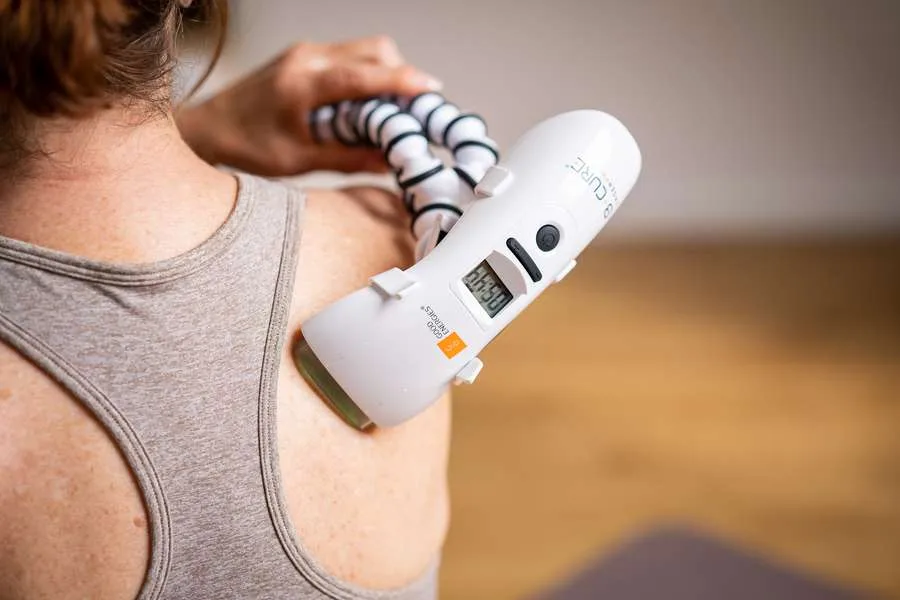
7 Proven Low-Level Laser Therapy Benefits for Pain Relief
Research on photobiomodulation continues to grow, and the results consistently point to the same set of advantages. Here are seven of the most well-documented benefits:
- Reduces inflammation at the source. LLLT lowers inflammatory markers directly at the injury site, rather than masking symptoms the way oral medication often does.
- Delivers drug-free pain relief. Because the therapy works through light rather than chemicals, it’s a helpful option for people who want to avoid painkillers or can’t tolerate them.
- Speeds up tissue and muscle recovery. Increased cellular energy helps muscles, tendons, and ligaments rebuild faster after strain or injury.
- Improves local blood circulation. Better blood flow brings more oxygen and nutrients to damaged tissue, which supports the natural healing process.
- Eases chronic conditions like back and neck pain. Regular sessions have been linked to meaningful pain reduction in people with long-term musculoskeletal discomfort.
- Supports joint mobility and flexibility. As swelling goes down and tissue heals, many people regain a fuller range of motion.
- Involves minimal side effects and no downtime. Unlike surgery or strong medication, LLLT is generally well tolerated, even for repeated use.
How B-Cure Laser Supports Drug-Free Recovery
Portable devices like B-Cure Laser bring these benefits into the home, so people aren’t limited to clinic visits. Consequently, users can apply consistent, low-dose treatment to sore joints or muscles as part of a daily routine. However, anyone with a serious injury, ongoing medical condition, or pacemaker should still consult a doctor before starting home laser therapy. For a deeper look at how at-home devices compare to in-clinic treatment, see our INTERNAL LINK: in-clinic vs at-home LLLT comparison guide.
Is LLLT Right for Your Recovery?
LLLT isn’t a cure-all, and it works best as part of a broader recovery plan that includes rest, movement, and medical guidance when needed. Still, for people dealing with everyday aches, sports injuries, or chronic joint pain, it offers a gentle, evidence-informed option worth discussing with a healthcare provider. According to the National Institutes of Health, low-level laser therapy has strong basic science support for reducing pain and accelerating tissue healing, with few reported side effects. Most people tolerate the treatment well, and results are often felt gradually over a series of sessions rather than after a single use.
Ultimately, the appeal of LLLT lies in its simplicity: no needles, no downtime, and no dependence on medication. As more people look for drug-free ways to manage pain, the benefits of Low-Level Laser Therapy are likely to keep gaining attention in both clinics and home care routines.