

Joint & Muscle Pain: Causes, Symptoms, Treatment & Prevention (Complete Guide)
Joint and muscle pain is one of the most common health concerns affecting people of all ages. Whether it is caused by an injury, arthritis, overuse, poor posture, or chronic medical conditions, persistent pain can interfere with work, exercise, sleep, and everyday life.
The good news is that many cases of joint and muscle pain can be managed effectively with the right diagnosis, healthy lifestyle changes, physical therapy, and non-invasive pain relief methods.
In this complete guide, you’ll learn everything you need to know about the causes, symptoms, diagnosis, treatment options, and prevention strategies for joint and muscle pain.
Table of Contents
- What Is Joint & Muscle Pain?
- Difference Between Joint Pain and Muscle Pain
- Common Causes
- Risk Factors
- Symptoms
- Diagnosis
- Treatment Options
- Home Remedies
- Prevention Tips
- When to See a Doctor
- Frequently Asked Questions
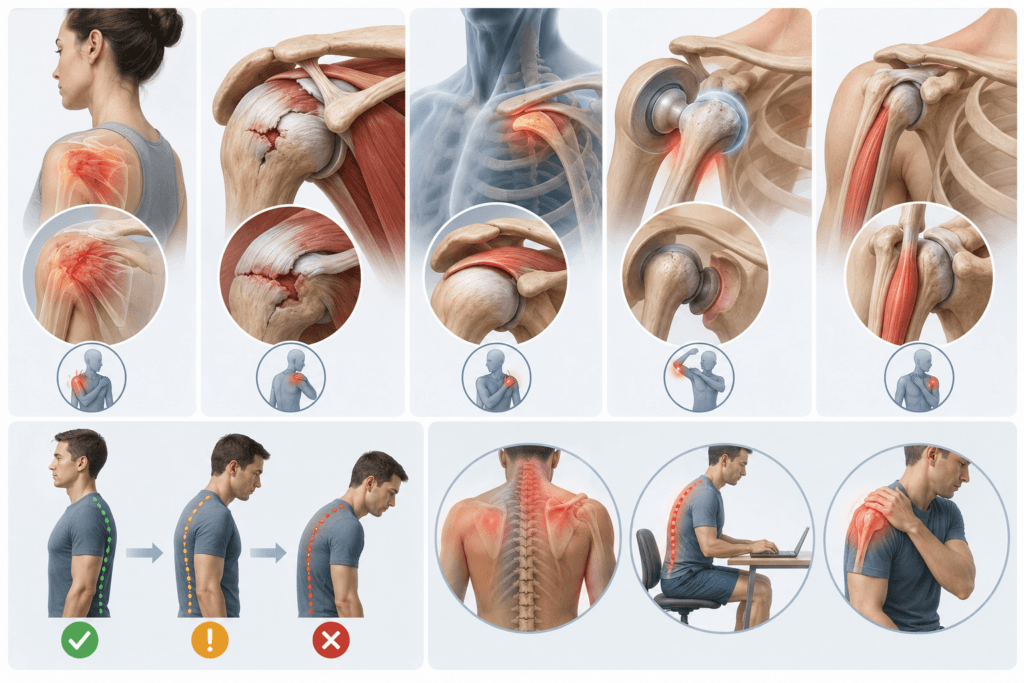
joint & muscle pain
What Is Joint & Muscle Pain?
Joint pain refers to discomfort, stiffness, or inflammation affecting the joints where two bones meet, such as the knees, shoulders, elbows, hips, wrists, or ankles.
Muscle pain, also known as myalgia, affects the muscles and surrounding soft tissues. It may occur after exercise, injury, infection, or due to underlying medical conditions.
Although these conditions may seem similar, identifying the exact source of pain is essential for choosing the right treatment.
Difference Between Joint Pain and Muscle Pain
| Joint Pain | Muscle Pain |
|---|---|
| Occurs in joints | Occurs in muscles |
| Often causes swelling | Usually causes soreness |
| Can reduce joint movement | Can cause muscle weakness |
| Common in arthritis | Common after exercise |
| May produce stiffness | Often feels like aching or cramping |
Understanding this difference helps healthcare providers determine the most effective treatment plan.
Common Causes of Joint & Muscle Pain
Joint and muscle pain can develop due to many reasons, including:
Arthritis
Arthritis is one of the leading causes of chronic joint pain. It causes inflammation that gradually damages the joints, leading to stiffness and reduced mobility.
Muscle Strain
Overstretching or overusing muscles during sports, heavy lifting, or repetitive movements can cause painful muscle strains.
Poor Posture
Sitting for long hours with improper posture places excessive stress on muscles and joints, especially in the neck, shoulders, and lower back.
Sports Injuries
Athletes and physically active individuals may experience ligament injuries, tendon inflammation, or muscle tears.
Aging
Aging is one of the most common and natural causes of joint and muscle pain. As we grow older, our bodies undergo several changes that can affect the health of our joints, muscles, bones, and connective tissues. These age-related changes often lead to stiffness, discomfort, and reduced mobility, especially if a person has an inactive lifestyle or existing medical conditions.
Autoimmune Disorders
Conditions like rheumatoid arthritis and lupus cause the immune system to attack healthy joint tissues.
Vitamin Deficiency
Low Vitamin D or Vitamin B12 levels may contribute to muscle weakness and body aches.
Obesity
Excess body weight increases pressure on weight-bearing joints such as the knees and hips, making pain worse over time.
Common Symptoms
People with joint and muscle pain may experience:
- Persistent aching
- Swelling
- Joint stiffness
- Muscle cramps
- Tenderness
- Limited range of motion
- Redness around joints
- Weakness
- Difficulty walking
- Fatigue
The severity of symptoms varies depending on the underlying cause.
Risk Factors
Several factors increase the likelihood of developing joint and muscle pain:
- Increasing age
- Obesity
- Previous injuries
- Lack of exercise
- Poor nutrition
- Smoking
- Repetitive work activities
- Chronic medical conditions
- Stress
- Poor sleep quality
Making healthy lifestyle changes can significantly reduce these risks.
Why Early Diagnosis Matters
Ignoring persistent pain can lead to worsening symptoms and reduced mobility. Early diagnosis allows healthcare providers to identify the root cause and recommend the most appropriate treatment before complications develop.